November 11, 2026
Maintaining the trees on your property involves more than watering them during dry spells or raking leaves. Trees are living organisms requiring professional maintenance to thrive and remain structurally sound. Homeowners often overlook subtle indicators that a tree is struggling until severe weather forces the issue. Regular observation is your primary defense against sudden property damage or the decline of a healthy oak, maple, or elm. By actively monitoring your landscape, you protect your property value and the people in your yard.
Finding the right professionals to handle this maintenance is a significant step in responsible homeownership. Recognizing when to make that call is the prerequisite to hiring anyone. If you wait for a branch to break a window or a diseased trunk to rot away, the financial and environmental costs multiply. By paying attention to specific environmental cues, you can determine when it's time to hire a local tree trimming company to step in and restore balance to your yard.
1. Visible Dead or Hanging Branches
The most immediate indicator that a tree requires professional attention is the presence of dead, dying, or broken branches hanging within the canopy. These branches pose a severe risk to anyone walking below. When a branch loses its nutrient supply, the wood rapidly dries out and becomes brittle. A mild gust of wind or a minor accumulation of winter ice can snap weakened limbs, sending them crashing down onto vehicles or pedestrians.
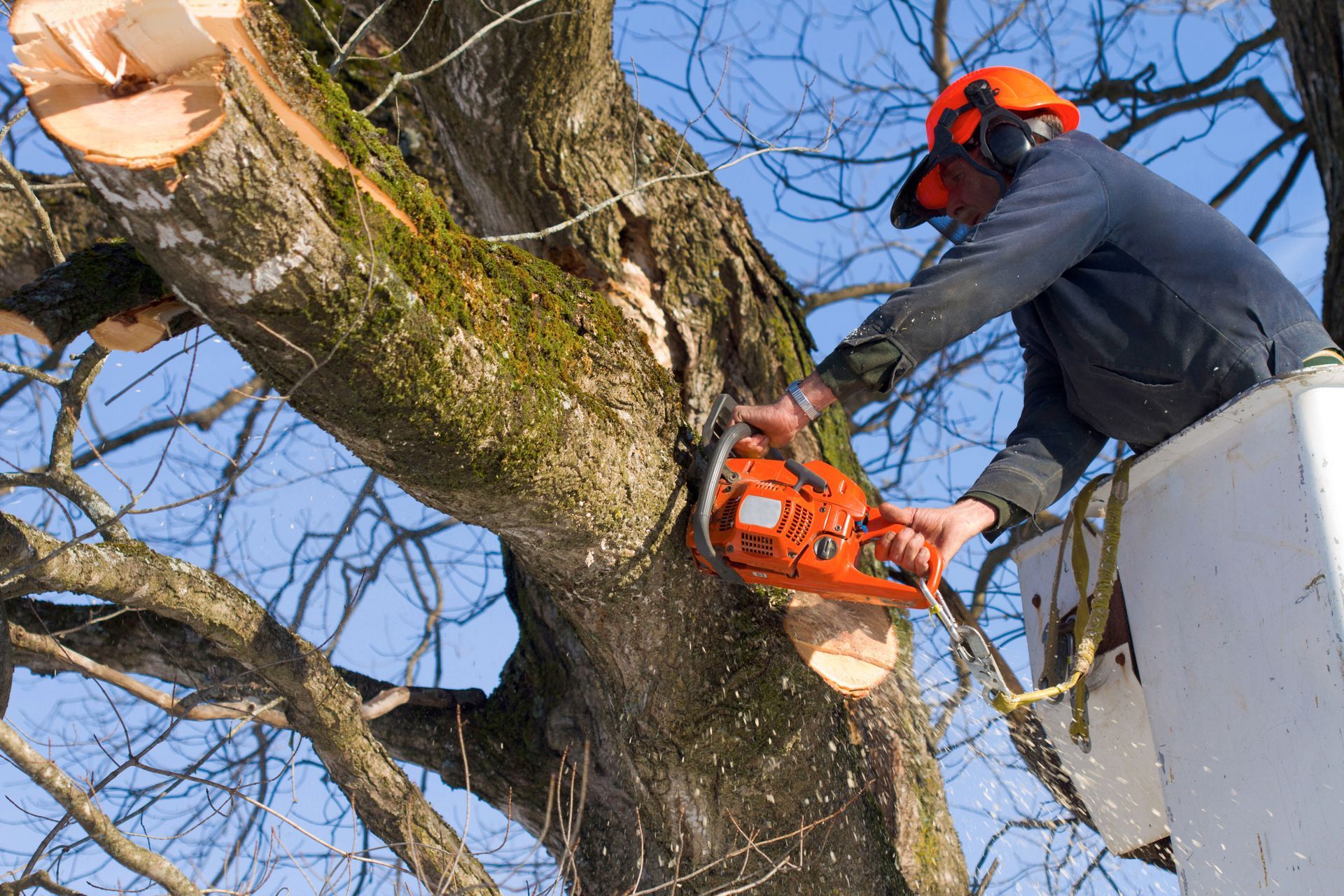
Addressing this issue requires more than a tall ladder and a handsaw. According to IBISWorld, there are over 175,000 businesses in the U.S. tree trimming industry. This high number means property owners have plenty of options when seeking help. Removing large branches at height involves calculated physics and specialized rigging equipment to ensure the wood falls safely. Professionals understand how to make precise cuts so the bark doesn't strip away from the trunk when the branch separates. Stripping bark leaves a wound that invites fungal infections. A local tree trimming company will safely lower heavy limbs while preserving the remaining wood.
Furthermore, dead branches often signal underlying root stress or systemic disease that the untrained eye might miss. When professionals evaluate the deadwood, they assess the overall vitality of the root system and soil composition. They can determine if the dieback is a natural part of the aging process or a symptom of environmental trauma. Prompt removal of dead limbs redirects energy reserves to healthy growth areas, encouraging a robust canopy rather than wasting resources on parts that can't be saved.
2. Overgrowth Approaching Power Lines or Roofs
Trees naturally grow toward sunlight, and this phototropic response often leads branches on a collision course with your home infrastructure. When a canopy extends over your roof, it drops continuous debris into your gutters. Clogged gutters force rainwater to back up under your shingles, leading to expensive water damage. Additionally, branches scraping against the siding or roof during windstorms will degrade exterior materials, removing protective granules from asphalt shingles and scratching paint down to the bare wood.
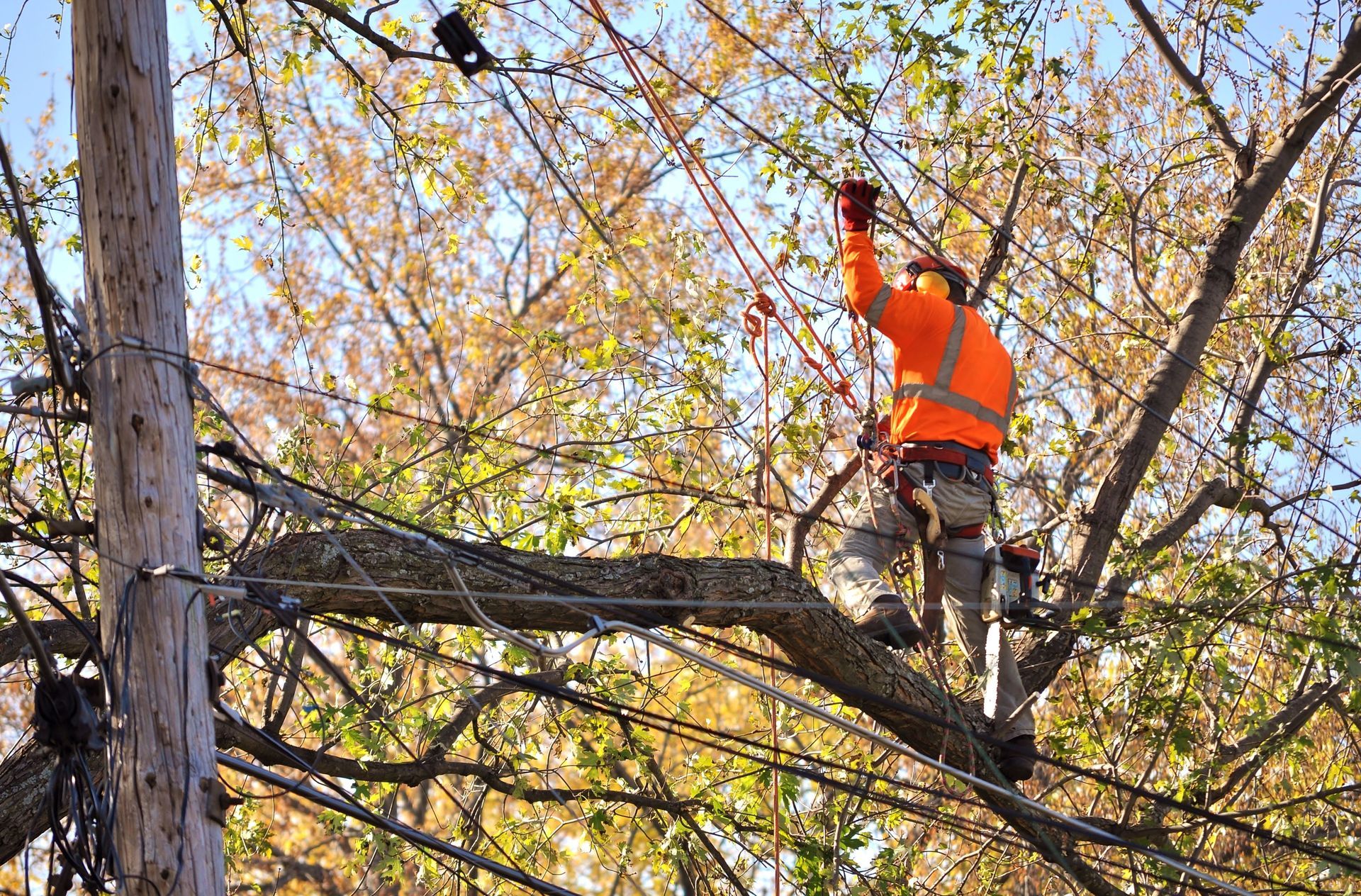
The danger increases significantly when foliage tangles with utility lines. Power lines carry high voltage, and electrical currents can travel through tree sap during rainstorms. Attempting to prune branches near power lines without proper training and insulated equipment is a fatal mistake. Utility providers maintain the clearance around main municipal lines, but homeowners are typically responsible for the service drops running directly to their houses. Keeping these specific lines clear demands professional intervention.
Hiring a trained local tree trimming company ensures encroaching branches are removed with precision and caution. Arborists use directional pruning techniques to train the growth away from your house and power lines. This strategic approach prevents the problem from recurring the following season. By altering the growth trajectory, professionals maintain the natural shape of the canopy while enforcing a safe physical distance between the vegetation and your valuable property infrastructure.
3. Noticeable Decline in Tree Health or Disease Symptoms
Healthy foliage should display vibrant colors and a firm texture during the growing season. If you notice early leaf drop, discoloration, or unusually small leaves, your plant is experiencing stress. Fungal infections often manifest as powdery mildew on leaves, dark cankers on the trunk, or mushroom growths emerging from the base of the roots. These symptoms indicate the internal vascular system is compromised, preventing water and nutrients from circulating properly through the trunk.
Insects also play a role in rapid health decline. Wood-boring beetles and aphids can decimate a healthy specimen in a matter of months. You might notice tiny exit holes in the bark, fine sawdust accumulating around the base, or sticky honeydew dripping onto your driveway. When an infestation takes hold, the structural wood weakens, turning a sturdy trunk into a hollow shell. Treating these issues requires specific pruning methods to remove infested sections before pathogens spread to neighboring vegetation.
Bringing in a reliable local tree trimming company early in the disease cycle can save the specimen from complete removal. Professionals identify the specific pest causing the damage and execute a sanitary pruning plan. They disinfect their tools between cuts to prevent cross-contamination and apply treatments to affected areas. Removing diseased wood prevents decay from traveling further down the branch collar into the main trunk, effectively quarantining the problem and giving the organism a chance to recover.
4. Dense Canopies Blocking Sunlight and Airflow
A lush canopy looks beautiful, but excessive density creates a hostile microclimate within the branches. When leaves grow too thick, sunlight can't penetrate to the interior branches or the grass below. The lack of sunlight causes interior foliage to die off, leaving a hollow shell of green on the outside and a tangle of dead twigs inside. Meanwhile, the turfgrass under the heavy shade will thin out, leaving bare patches of soil that quickly erode during heavy rains.
Poor airflow through a dense canopy creates a breeding ground for moisture-loving fungi and destructive pests. Wind needs to pass through the branches to dry the leaves after a morning dew or heavy thunderstorm. When the canopy acts like a solid sail, trapped moisture encourages leaf spot diseases and wood rot. Additionally, a solid wall of foliage catches the wind rather than letting it filter through. During severe storms, this wind resistance increases the likelihood that the tree will uproot.
Thinning the canopy is a delicate process requiring an understanding of botanical architecture. An experienced local tree trimming company will selectively remove branches to open up the structure without altering the natural silhouette. This process, known as crown thinning, reduces the weight of heavy limbs and allows wind to pass harmlessly through the gaps. Increased sunlight penetration encourages healthy interior growth and revitalizes the lawn below, creating a harmonious and balanced landscape.
Proactive landscape maintenance is an ongoing responsibility that yields significant dividends in safety and curb appeal. Trees are the largest and most valuable assets in your yard, providing vital shade, improving local air quality, and supporting neighborhood ecosystems. However, they require careful monitoring and timely intervention to prevent them from becoming liabilities. Recognizing the signs of deadwood, dangerous overgrowth, insidious diseases, and excessive canopy density allows you to address minor issues before they escalate into expensive emergencies.
When you spot any of these four warning signs, taking immediate action is a responsible choice you can make as a property owner. Attempting to prune large specimens on your own often leads to property damage, injury, or the eventual death of the plant due to improper cutting techniques. By partnering with a qualified local tree trimming company, you secure the longevity of your landscape.
Contact Elite Tree Care LLC today to schedule a property assessment with a local tree trimming company that prioritizes the safety and health of your landscape.